TL;DR: Long COVID symptoms such as fatigue, brain fog, post-exertional malaise, shortness of breath, and dizziness when standing can last for months after the infection is gone. There is no single proven treatment, so care focuses on easing symptoms and protecting daily function. Pacing helps prevent crashes, fluids may help some kinds of dizziness, and chest pain, severe breathlessness, fainting, or new confusion need emergency care first.
Long COVID symptoms can stay with you long after the infection itself has passed. You may be back at work, caring for your family, and trying to keep your routine moving, yet your body still feels different.
A short walk may take more out of you than expected. Focus may slip during ordinary tasks, and sleep, breathing, muscle aches, or dizziness may change from one week to the next.
At Ideal Wellness, we look at these lingering concerns through the systems often strained after illness, including inflammation, cellular energy, hydration, and nutrient status.
Why Lingering Effects Can Feel So Hard to Track
Post-viral changes rarely follow a neat timeline. One day may feel manageable, then a normal errand, meeting, or workout can leave you drained later. That unpredictability is one reason people with post-COVID syndrome often feel frustrated before they find the right kind of help.
Researchers are still learning why some people recover slowly. Mitochondria help cells create usable fuel, and when that process is under pressure, routine activity can feel heavier than it should.
For patients exploring long COVID recovery treatment, the first step is understanding which systems may still be affected and how those patterns are showing up in daily life.
What Are the Most Common Long COVID Symptoms?
The most common long COVID symptoms are fatigue, symptoms that worsen after effort, brain fog, shortness of breath, a racing heart, dizziness, headaches, and poor sleep. More than 200 symptoms have been reported, and they can last months or even years. They may come and go or change over time.
Lingering effects can touch several areas at once. Some changes feel physical, while others affect memory, focus, mood, or the ability to recover after normal activity.
Common Changes Patients Report
These concerns can vary in intensity, and they may not appear every day. What makes them important is the way they keep returning or begin changing how much a person can comfortably do.
Long COVID symptoms may include:
- Persistent fatigue
- Brain fog or memory problems
- Trouble concentrating
- Shortness of breath
- Chest tightness
- Rapid heartbeat
- Dizziness when standing
- Headaches
- Muscle or joint pain
- Sleep disruption
When symptoms are an emergency: call 911 for chest pain or pressure, severe shortness of breath, fainting, or new confusion. These are signs that need emergency care, not a wellness visit, even if you already have a long COVID diagnosis.
A single change may be easy to brush off. A repeating cluster deserves more attention, especially when it affects work, home life, exercise tolerance, or confidence in your normal routine.
What Is Post-Exertional Malaise?
Post-exertional malaise (PEM) is a worsening of symptoms after physical or mental effort that you used to handle easily. The crash may arrive hours or even a day later. Pacing helps by balancing rest and activity: avoid push-and-crash cycles and plan rest around activity.
Post-viral fatigue can feel deeper than ordinary tiredness. Rest may help a little, but stamina often doesn't return the way patients expect. Some people feel stable while sitting still, then crash after a meeting, a walk, or a busy afternoon.
That delayed drop can make pacing difficult. It may also create the sense that progress is fragile, even when you're being careful with your schedule. A few pacing habits that many people find useful:
- Do less on good days so you do not pay for it later
- Break larger tasks into short pieces with rest in between
- Plan rest before and after demanding activities
- Keep a simple log of activity and symptoms to spot your limits
For patients exploring long COVID recovery treatment, the first step is understanding which systems may still be affected and how those patterns are showing up in daily life.
What Can Help With Long COVID Recovery?
There is no single proven treatment for long COVID. Care focuses on managing symptoms and improving daily function, so a useful plan starts by asking what the body is still struggling to regulate. Pacing, sleep, hydration, and nutrition are common starting points.
Researchers are studying several possible drivers of long COVID, including ongoing inflammation, immune changes, and changes in how cells make energy. Each area can shape how you feel through the day.
Inflammation and Oxidative Stress
After a viral illness, the immune system may stay more active than usual. That ongoing response can affect muscles, joints, the nervous system, and mental clarity.
Oxidative stress can add another layer of strain. When free radicals build faster than the body can neutralize them, cells may have a harder time repairing and working efficiently. Glutathione IV therapy may be considered when antioxidant and detoxification pathways need attention.
Cellular Energy Production
Low stamina after COVID may be connected to strain on how cells make energy. When cells have trouble producing usable fuel, even adequate sleep may not bring back the level of strength or endurance a person expects.
NAD+ is a coenzyme involved in how cells make energy. IV NAD+ is being explored for fatigue, but evidence in long COVID is still limited.
Hydration and Circulation
Fluid balance can influence circulation, dizziness, headaches, and general stamina. Dehydration or electrolyte imbalance may add pressure to a system that is already working harder than usual.
IV hydration therapy can deliver fluids and electrolytes directly into the bloodstream. For patients dealing with weakness, lightheadedness, or slower recovery, hydration status deserves a closer look.
Dizziness When You Stand Up
Some people develop POTS-like symptoms after COVID, such as a racing heart, dizziness, or fatigue when they stand. Viral illnesses, including COVID-19, can trigger this pattern, and more fluids and salt are common first steps a clinician may suggest. This is where IV hydration may fit, alongside a medical workup for other causes.
Can Long COVID Cause Brain Fog?
Yes, long COVID brain fog is common. It can affect memory, word recall, focus, and the ability to organize thoughts. Tasks still get done, but they take more effort. Brain fog that lingers or worsens deserves a medical look, since sleep, mood, medications, and other conditions can also play a role.
Meetings may feel longer. Reading requires more concentration, and small mistakes may happen more often.
This kind of mental haze can develop when inflammation, low cellular fuel, hydration issues, and nutrient depletion overlap. The brain uses a large share of the body's resources, so even subtle changes in cellular function can affect mental sharpness.
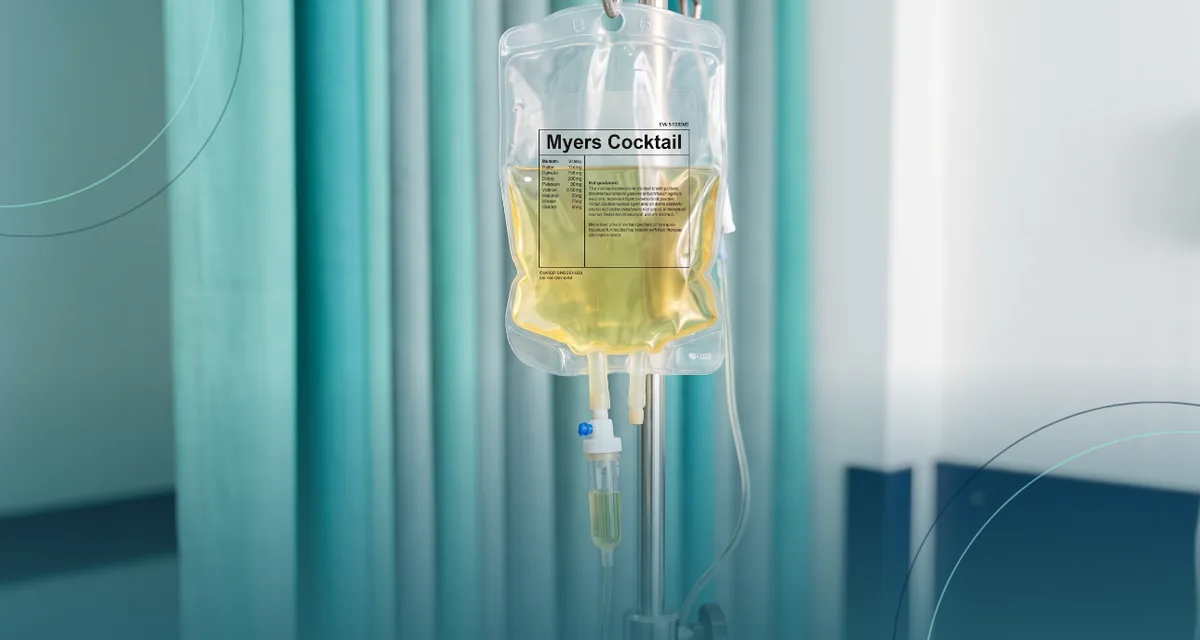
A Myers' Cocktail IV may be considered when nutrient repletion belongs in the plan. This formula commonly includes vitamin C, B vitamins, magnesium, and calcium, which play roles in energy metabolism, muscle and nerve activity, and immune function.
What a Visit May Include
Your visit may begin with a conversation about the original infection, current concerns, and what makes symptoms better or worse. We may ask about crashes after activity, mental haze, breathing changes, sleep quality, pain, hydration, and how much your normal routine has changed.
From there, the plan may include targeted IV nutritional support, hydration support, antioxidant therapy, or cellular energy support when appropriate. Treatment should fit what your body appears to need at that point, then be adjusted based on how you respond.
How Care Can Be Matched to the Person
A thoughtful long COVID treatment plan should begin with the details of what changed after the infection. Timing, symptom triggers, medical history, medications, sleep quality, hydration, nutrition, and activity tolerance can all shape the next step.
At Ideal Wellness, we don't assume every patient needs the same IV combination or visit schedule. A person dealing mostly with cognitive changes may need a different focus than someone struggling with dizziness, body aches, or frequent crashes after activity.
This kind of review can help people with long-haul COVID who have already tried resting more, waiting it out, or pushing through. Many patients appreciate having enough time to explain the full story, and those details can help guide safer, more useful decisions.
Taking Long COVID Symptoms Seriously
Long COVID symptoms can affect stamina, focus, breathing, sleep, comfort, and confidence in your daily routine. When those changes continue for weeks or months, it may be time to look more closely at the systems still under strain after infection.
At Ideal Wellness, we consider inflammation, nutrient status, hydration, and cellular energy when helping patients understand what may be slowing their progress. If dizziness, crashes, or other lingering symptoms are still affecting your day, schedule an appointment to discuss your options, including whether IV fluids and electrolytes for recovery belong in your plan.
Frequently Asked Questions
Common long COVID symptoms include fatigue that interferes with daily life, symptoms that get worse after physical or mental effort, brain fog, shortness of breath, a fast or pounding heartbeat, dizziness when standing, headaches, sleep problems, and muscle or joint pain. More than 200 symptoms have been reported, and they can come and go. A clinician can help sort out which ones need a closer look.
Post-exertional malaise, or PEM, is a worsening of symptoms after physical or mental effort that you used to handle easily. The crash may show up hours or a day later and can last for days. Pacing, which means balancing activity with planned rest and avoiding push-and-crash cycles, is a common way to manage it.
Yes, some people develop dizziness, a racing heart, or lightheadedness when they stand up after COVID. These POTS-like symptoms can follow a viral illness. A clinician may suggest more fluids and salt as first steps and will check for other causes before recommending a plan.
Long COVID symptoms can last for months, and for some people, years. Many people improve over time, but symptoms can also fade, return, or change. Tracking what makes your symptoms better or worse helps your care team adjust the plan.
Call 911 for chest pain or pressure, severe shortness of breath, fainting, or new confusion. These signs need emergency care, not a wellness visit. Symptoms that are new, sudden, or much worse than your usual pattern should also be checked right away.
Ready to take the next step?
Schedule an appointment with our Baltimore team, or explore the service behind this guide.