TL;DR: The benefits of IV therapy depend on why you need it. IV drips deliver fluids, electrolytes, vitamins, and minerals through a small IV in a vein, bypassing digestion. That can help when absorption is limited, needs are higher, or rehydration is needed. For most healthy people, food and oral supplements are enough, and IV therapy carries small risks such as bruising and vein irritation.
Depletion can quietly undermine how you feel every day, which is often when people start asking about the benefits of IV therapy. You wake up tired despite a full night of sleep, struggle to think clearly through the afternoon, or notice your energy lagging no matter how clean your diet becomes. It is not always dramatic, but it adds up.
For some people, nutrient IV therapy may be the missing piece when lifestyle adjustments, oral supplements, and standard wellness approaches have not produced the energy and clarity they are looking for. This minimally invasive treatment, given through a small IV in a vein, delivers vitamins, minerals, and fluids while bypassing digestion, so they reach the bloodstream directly.
Why Nutrient Depletion Can Feel So Inconsistent
Fatigue and low energy fluctuate because more than one body system is involved. Changes in sleep quality, diet, stress levels, and daily physical demands can all shift how efficiently your body is absorbing and using nutrients on any given day.
When nutrient stores are low, even routine physical and mental demands can feel effortful. Busy schedules, poor sleep, alcohol, and processed foods can all make it harder to keep nutrient levels where they should be. That is part of why symptoms can feel inconsistent and hard to trace to a single cause.
Meaningful nutrient support often requires care that looks at absorption, cellular function, and hydration together rather than addressing surface symptoms in isolation.
How Does IV Therapy Work?
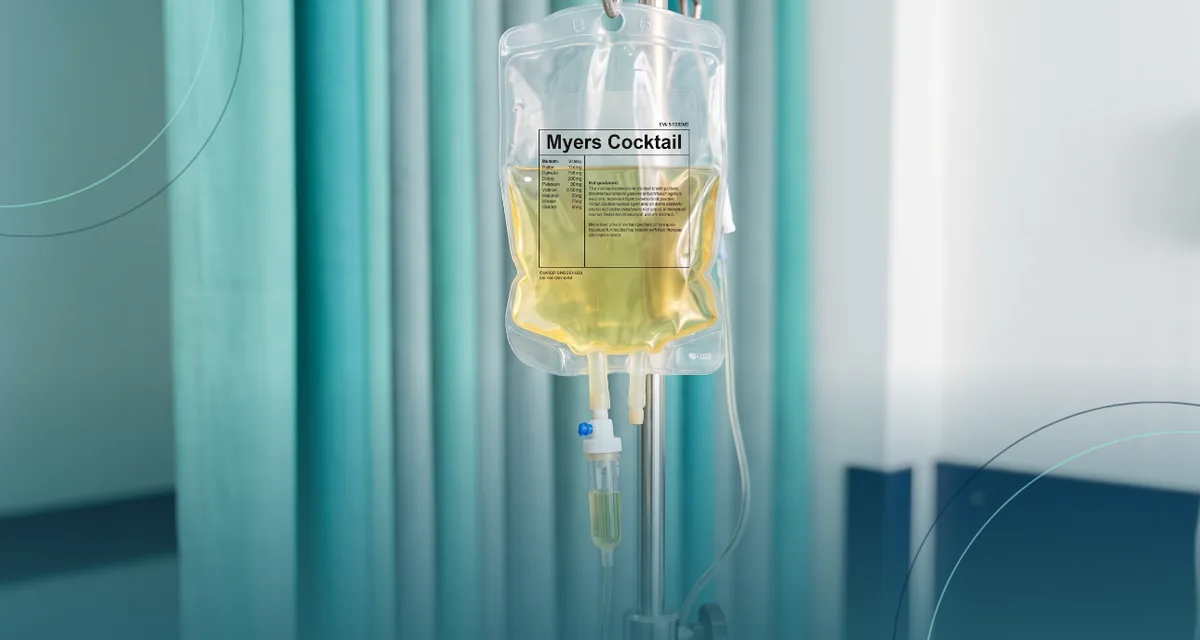
IV therapy delivers a blend of fluids, vitamins, and minerals through a small IV in a vein, bypassing digestion, so nutrients and fluids reach the bloodstream directly. For most healthy people, food and oral supplements are enough. IV delivery is most useful when absorption is limited, needs are higher, or rehydration is needed.
That food-first point matters. Federal nutrition experts note that supplements can't take the place of a varied, healthy diet, and the same is true of IV drips. When nutrient levels are adequate, the body can produce energy, support immune function, and recover from stress efficiently. When levels are low, fatigue can build and recovery may slow.
At Ideal Wellness, IV therapy is given in a medically supervised setting, and each infusion is planned around your health history, lab results, symptoms, and goals. Some patients tell us they feel more energetic after a course of treatment; responses vary. This is not about a single session fix. It is about supporting the nutritional foundation your body relies on over time.
How Is IV Hydration Different From a Vitamin Drip?
IV hydration focuses on fluids and electrolytes, while a vitamin drip focuses on vitamins and minerals carried in a fluid base. Our IV hydration and recovery drips are aimed at restoring fluid balance after heat, illness, hard exertion, or simply not drinking enough. A vitamin drip is more often considered when nutrient levels are low or absorption is a concern.
Dehydration happens when your body loses more fluid than it takes in, and diarrhea, vomiting, fever, and heavy sweating are common causes. When fluid loss also throws off sodium, potassium, and other minerals, the result is dehydration and electrolyte imbalance, which can leave you tired, dizzy, and foggy.
Hydration fluids are usually saline or a balanced solution with electrolytes such as sodium, potassium, and calcium. For mild dehydration, drinking water and an oral electrolyte drink is often enough. IV fluids are most helpful when you cannot keep up by mouth or need to recover faster.
Here is how the two compare at a glance:
- IV hydration. Main contents: fluids and electrolytes. Often considered for: heat, illness, exertion, or low fluid intake. Main goal: restore fluid and electrolyte balance.
- IV vitamin drip. Main contents: vitamins and minerals in a fluid base. Often considered for: low nutrient levels, limited absorption, or higher needs. Main goal: replenish specific nutrients.
When Do the Benefits of IV Therapy Make Sense?
The benefits of IV therapy are most likely when there is a clear reason for it, such as low levels on testing, trouble absorbing nutrients, or a need to rehydrate. At Ideal Wellness, the process begins with an intake and lab review, so your plan is built around what is happening in your body rather than a generic formula.
Assess the Body and Identify What Needs Support
When fatigue or low energy is present, it helps to understand what is driving it before choosing a treatment approach. Lab testing can show which nutrient levels are low and give context on hydration and metabolic health. That makes it possible to plan an infusion around your specific needs rather than a one size fits all approach.
Support Energy and Cellular Function
Think of the body's energy system as a multi-stage process where hydration, nutrient absorption, and mitochondrial function each play a role. When nutrient gaps or dehydration slow that process down, IV therapy may help supply the raw material those pathways depend on. For some patients, that can mean steadier energy and stamina through the day.
Build Progress That Carries Over Into Daily Life
The goal is not to feel better only during your infusion appointment. How many visits make sense depends on why you are coming in. Your clinician will suggest a plan and reassess as you go.
IV therapy may be worth discussing if you are dealing with persistent fatigue, brain fog, frequent illness, slow recovery from exertion, or a general sense that your body is not keeping pace the way it once did.
How IV Nutritional Therapy Fits Into a Comprehensive Wellness Plan
IV nutritional therapy works best when it is part of a broader approach that also addresses nutrition, sleep, stress, and any other factors contributing to your fatigue. An integrated plan means your infusions are coordinated with a full picture of your health and goals, not delivered as a disconnected series of generic sessions.
Support Energy and Immune Function Together
Chronic fatigue and nutrient depletion rarely exist in isolation. They often come with hydration gaps and other factors that add to the symptoms you feel. Pairing IV therapy with targeted lab testing lets the plan look at several contributing factors at once, which may produce steadier progress than any single step on its own.
Other Nutrients Some Plans Include
Some plans add other nutrients, such as vitamin C or NAD+, when they fit your goals. Vitamin C supports immune function and acts as an antioxidant, and NAD+ is involved in energy production inside your cells. B vitamins play a role in energy metabolism. Each choice is based on your lab results and health goals, so each infusion matches your plan.
IV nutritional therapy works best when it is part of a broader approach that also addresses nutrition, sleep, stress, and any other factors contributing to your fatigue.
Is IV Therapy Safe, and Who Should Avoid It?
IV therapy is minimally invasive, not risk free. Possible problems include stinging and bruising if fluid leaks around the vein, infection, vein irritation called phlebitis, and fluid overload if too much is given too quickly. A health review before your first drip and a trained team help keep these risks low.
Some people need a clinician's review first. The Merck Manual advises that people with kidney disease, high blood pressure, or a heart condition should avoid high-dose vitamin and mineral drips like the Myers' Cocktail.
Extra fluid and minerals can be harder for the heart and kidneys to handle. The same manual notes that very few studies have tested these drips, and it advises pregnant or breastfeeding women to avoid high-dose IV vitamin therapy. If you are pregnant or breastfeeding, check with your own doctor before any IV drip.
Get medical care right away if you or someone you care for is confused, cannot keep fluids down, has had diarrhea for 24 hours or more, or has bloody or black stool. Those signs call for urgent care, not a wellness visit.
Taking Your Next Step
If persistent fatigue, brain fog, or a general sense of low vitality have been affecting how you work, recover, or move through your day, you do not have to accept those changes as inevitable.
The benefits of IV therapy can be meaningful for the right person and the right reason, and lab testing can show which nutrient levels are low. An integrated plan can then address the factors contributing to your fatigue, matched to your health history and what you need to feel well.
If you want a clear next step, schedule a consultation at Ideal Wellness and find out whether IV therapy is the right fit for you. Ideal Wellness is on Cold Spring Lane in Roland Park, North Baltimore, off the Cold Spring Lane exit of I-83, and serves patients throughout the greater Baltimore area.
Frequently Asked Questions
The benefits of IV therapy depend on why you need it. IV drips can replace fluids and electrolytes quickly when you are dehydrated, and they can deliver vitamins and minerals without relying on digestion when absorption is limited. Some patients tell us they feel more energetic after a course of treatment, though responses vary.
It depends on your situation. For most healthy people, food and oral supplements are enough, and research on vitamin drips for general wellness is limited. IV therapy may be more worthwhile when testing shows low levels, absorption is a problem, or you need to rehydrate after illness, heat, or hard exertion.
IV hydration focuses on fluids and electrolytes, such as sodium and potassium, to restore fluid balance. An IV vitamin drip focuses on vitamins and minerals, usually in a fluid base. Some plans combine both, depending on what your symptoms and labs show.
Yes. IV therapy is minimally invasive but not risk free. Possible problems include bruising or stinging at the IV site, vein irritation, infection, and, if too much fluid is given too fast, fluid overload. A careful health review and a trained team help keep these risks low.
People with heart disease, kidney disease, or high blood pressure need a clinician's review before any IV drip, because extra fluid and minerals can be harder for their bodies to handle. Pregnant or breastfeeding women should also talk with their own doctor first. Anyone with severe dehydration signs, such as confusion or being unable to keep fluids down, needs urgent medical care instead.
Ready to take the next step?
Schedule an appointment with our Baltimore team, or explore the service behind this guide.