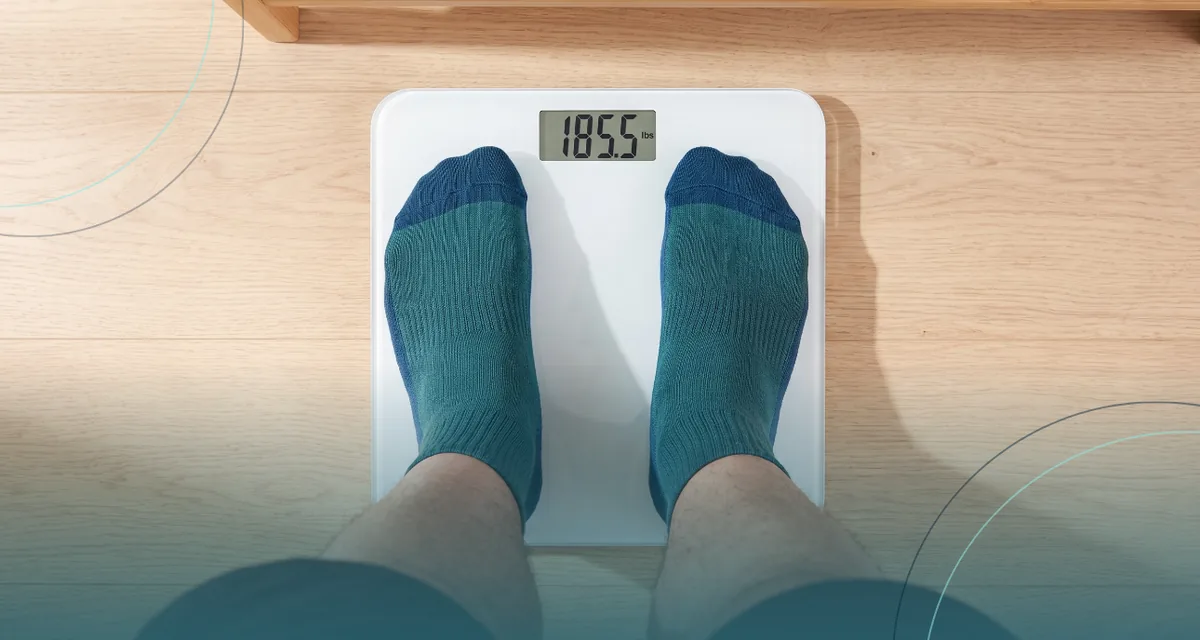
TL;DR: Signs of slow metabolism often look ordinary: fatigue, cravings, stubborn weight, feeling cold, and slower recovery. Research suggests metabolic rate stays fairly stable from about age 20 to 60, so midlife weight gain often reflects muscle loss, activity, sleep, and hormone changes. Thyroid problems and nutrient gaps can cause similar signs. A medical evaluation can check these factors and help you build a plan that fits your body.
The signs of slow metabolism often look more ordinary than severe. You might notice weight that is harder to manage, energy that dips earlier in the day, or a body that no longer responds to diet and exercise the way it used to. When those changes add up, a full metabolic health evaluation can help sort out why.
At Ideal Wellness, we look at the whole picture instead of treating a slow metabolism as a simple lifestyle problem. This broader view matters because hormones, sleep, nutrition, and activity levels all shape how your body regulates weight and energy from one day to the next.
Finding what may be behind your metabolic changes allows for a more effective path forward. Taking these signals seriously early may help you avoid years of slow, frustrating weight gain.
What Are the Signs of a Slow Metabolism?
Common signs of a slow metabolism include ongoing fatigue, stronger cravings, weight that is hard to shift, feeling cold, and slower recovery after activity. These signs are not specific, so they are best read as clues that something deserves a closer look rather than as a diagnosis.
Signs people often notice include:
- Fatigue or energy that dips early in the day
- Cravings, especially for sugar or quick snacks
- Stubborn weight, often around the midsection
- Feeling cold more easily than people around you
- Slower recovery after workouts or demanding days
Metabolism is often treated like a fixed number. In reality, how your body uses energy is shaped by muscle mass, activity, sleep, hormones, and age. For many people, a slowing metabolism does not just feel like weight gain. It can show up through low energy, changes in mood, and the sense that the body never fully recovers between demanding days.
An underactive thyroid can cause similar signs, including fatigue, weight gain, and trouble tolerating cold, and it is checked with a blood test. Body composition matters too, since muscle burns more calories than fat, even at rest.
That is one reason this pattern can feel like more than a lack of discipline. Diet and exercise may help a little, but they do not always feel like enough on their own.
See a doctor promptly if you have rapid or unexplained weight changes, a racing or unusually slow heartbeat, swelling in the front of your neck, or exhaustion that keeps you from daily activities.
Does Metabolism Really Slow Down With Age?
Less than most people think, at least before 60. A large 2021 study of daily energy use found that, after adjusting for body size, metabolic rate stayed fairly stable from about age 20 to 60 and declined after that. Midlife weight gain often reflects other changes.
Those changes include gradual muscle loss, lower daily activity, shorter or poorer sleep, and hormone shifts that come with age. In other words, the number on the scale can creep up even when your underlying metabolic rate has not changed much.
This is useful news in a practical sense. Many of the factors behind midlife weight gain, like strength, activity, sleep, and nutrition, are things you can work on with the right support.
Hormonal changes can still affect how efficiently the body burns and stores energy. When that balance becomes less steady, symptoms such as stubborn fat, reduced stamina, and slower recovery after physical activity may become more noticeable.
How Do Nutrients and Hydration Affect Energy?
Nutrients and fluids are part of how your body makes and uses energy. Even mild nutrient gaps or poor hydration can add to fatigue, cravings, and reduced mental clarity, which can make a slow metabolism feel worse than it is.
A slowing metabolism is only one part of the equation when it comes to feeling out of balance. Your nutrient status and hydration can shape how those symptoms feel from day to day.
If key vitamins and minerals are depleted, your body may have a harder time regulating blood sugar and energy production. That imbalance often leaves people feeling sluggish or more easily worn down by ordinary demands. Diet changes alone are not always enough if your nutrient stores are already low.
When nutrients like B vitamins and magnesium run low, energy production can suffer. Magnesium, for example, helps regulate muscle and nerve function and blood sugar, and low levels can bring fatigue and weakness. This can lead to a sense of physical and mental flatness that many people mistake for a lack of motivation.
Addressing these nutrient needs is important for supporting metabolic function during a weight management program.
At Ideal Wellness, we look at the whole picture instead of treating a slow metabolism as a simple lifestyle problem.
When Does Medical Support Make Sense?
Medical support may make sense when you are eating well and staying active but your weight, energy, or recovery still is not responding. It can also help when symptoms keep stacking up and you want a clearer picture of your hormones, nutrients, and metabolic function.
When metabolism keeps working against you, diet and exercise alone do not always feel effective. In situations like that, it may help to take a closer look at hormones, nutrient status, and how well your body is managing metabolic function.
Medical weight loss support can be one way to help that process. Choosing supervised weight management support combines treatment options chosen with your provider and nutritional guidance, which may be helpful when metabolism is already working against your efforts.
Standard diets do not always account for underlying metabolic factors, so this approach may offer another way to support sustainable results. For some people, this kind of support fits into a broader plan to address stubborn weight gain and low energy.
Balancing a demanding routine can make metabolic changes easy to brush off for longer than you should. Over time, a struggling metabolism can start to affect confidence, energy, and how steady you feel during the day. Addressing these patterns early can help protect your energy, weight, and day-to-day functioning.
What Does a Metabolic Evaluation Look At?
A metabolic evaluation looks at your symptom patterns, health history, daily habits, and lab work when appropriate. The goal is to separate a temporary plateau from a pattern that has been building, and to spot factors such as thyroid, blood sugar, or nutrient issues.
A thoughtful visit for stalled progress should look at symptom patterns and daily habits over time. We look at when your energy tends to drop, how your body has responded to previous weight loss attempts, and whether the pattern feels recent or more long-standing.
Nutrient, Hormone, and Thyroid Clues
During your evaluation, we may look for signs of nutrient depletion, hormonal imbalance, or other factors that can make weight loss feel harder to achieve.
These issues often overlap and can leave you feeling stuck even when you are trying to eat well and stay active. Looking closely at those details helps shape a plan around what is affecting you most.
Cravings, Sleep, and Blood Sugar Signals
We may also ask about symptoms such as cravings, fatigue, or sleep disruption that could point to metabolic or hormonal imbalances. These details offer useful insight into how well your body is regulating blood sugar and energy under stress, an area where metabolic syndrome care can become part of the conversation.
Metabolic syndrome is a group of conditions that together raise the risk of heart disease, diabetes, and stroke, including a large waistline and high blood sugar. Each part of the conversation helps build a clearer view of what may be contributing to your metabolic struggles.
Taking the Next Step With a Slow Metabolism
When hormones, nutrition, and lifestyle begin affecting weight and energy at the same time, the signs of slow metabolism can feel frustrating and difficult to sort through on your own. Looking at the underlying causes of metabolic decline can offer a more sustainable direction than simply cutting calories or adding another workout.
Ideal Wellness is on Cold Spring Lane in Roland Park, and we see patients from Hampden, Guilford, Towson, and across North Baltimore. If you are ready to take a closer look at your metabolism, schedule an appointment with our team at Ideal Wellness.
Frequently Asked Questions
Common signs include ongoing fatigue, stronger cravings, weight that is hard to lose, feeling cold, and slower recovery after activity. These signs are not specific to metabolism, so they are best checked with a medical evaluation that can rule out thyroid, blood sugar, or nutrient issues.
A large 2021 study found that metabolic rate, adjusted for body size, stays fairly stable from about age 20 to 60 and declines after that. Weight gain in midlife often reflects muscle loss, lower activity, sleep changes, and hormone shifts more than a sudden drop in metabolism.
Yes. An underactive thyroid, called hypothyroidism, can slow metabolism and cause fatigue, weight gain, and trouble tolerating cold. It is checked with a blood test, so it is worth ruling out if you notice these signs.
Losing muscle through inactivity, short or poor sleep, and long periods of stress are common contributors. Rapid or very restrictive dieting can also cost some muscle along with fat, which lowers the calories your body burns. Regular activity, strength training, steady meals, and good sleep can help support how your body uses energy.
A metabolic evaluation usually reviews your symptoms, health history, daily habits, and weight history. When appropriate, lab tests may look at blood sugar, cholesterol, thyroid function, and nutrient levels. Your provider can then talk through a plan that fits what the results show.
Ready to take the next step?
Schedule an appointment with our Baltimore team, or explore the service behind this guide.